Complete FAST Channels List: Guide for Publishers and Streaming Platforms
Free Ad-Supported Streaming Television (FAST) has revolutionized the digital video landscape, creating unprecedented opportunities for content publishers and advertisers. As cord-cutting accelerates and viewers migrate to streaming platforms, FAST channels have emerged as a critical monetization vehicle for publishers seeking to maximize their content’s reach and revenue potential.
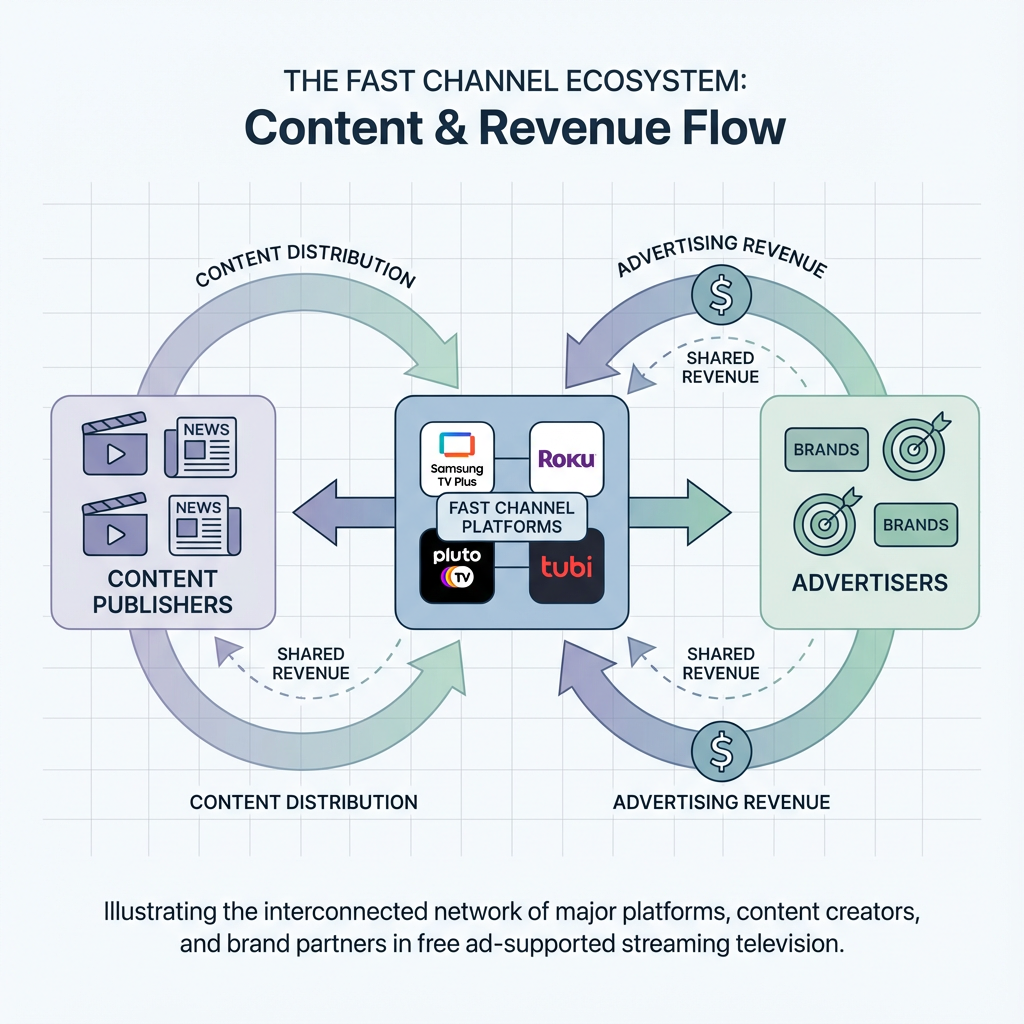
This comprehensive guide provides publishers and ad operations professionals with an extensive overview of FAST channels, implementation strategies, and monetization best practices in today’s competitive streaming environment.
Understanding FAST Channels: The Foundation of Modern Streaming
FAST channels represent linear streaming content delivered over the internet, mimicking traditional television broadcasts while leveraging programmatic advertising capabilities. Unlike video-on-demand (VOD) services, FAST channels provide scheduled programming that viewers can tune into at any time, creating a familiar television-like experience within digital streaming platforms.
The appeal of FAST channels lies in their ability to combine the accessibility of free content with sophisticated ad-targeting capabilities. For publishers, this model offers multiple revenue streams while reducing subscriber acquisition costs and churn rates associated with subscription-based models.
Key Characteristics of Successful FAST Channels
- Linear programming schedules that create appointment viewing
- Programmatic advertising integration for optimized revenue
- Content curation tailored to specific audience demographics
- Cross-platform distribution across multiple streaming services
- Real-time analytics for performance optimization
Major FAST Channel Providers and Platforms
Tier 1 Streaming Platforms
Samsung TV Plus leads the FAST ecosystem with over 250 channels across multiple countries. The platform offers diverse content categories including news, sports, entertainment, and lifestyle programming. Publishers can access Samsung’s extensive smart TV user base through their content partnership program.
Roku Channel provides publishers with access to millions of active users across the Roku ecosystem. The platform supports both live linear channels and on-demand content, enabling flexible monetization strategies. Roku’s advertising platform offers advanced targeting capabilities and real-time bidding integration.
Pluto TV, owned by Paramount, operates over 300 channels with content spanning movies, TV series, news, and original programming. The platform’s sophisticated content management system allows publishers to optimize programming schedules based on viewer analytics.
Tubi focuses on movie and TV series content with integrated FAST channel offerings. The platform’s recommendation engine drives content discovery and viewer engagement, making it attractive for publishers with extensive content libraries.
Emerging FAST Platforms
Amazon’s IMDb TV (Freevee) leverages Amazon’s advertising ecosystem and Prime Video integration to deliver targeted FAST channel experiences. Publishers benefit from Amazon’s advanced audience segmentation and cross-platform promotional opportunities.
YouTube TV’s Free Channels initiative incorporates select FAST channels into YouTube’s streaming service, providing access to YouTube’s massive user base and advertising infrastructure.
LG Channels offers smart TV manufacturers direct access to FAST content, creating additional distribution opportunities for publishers targeting specific device ecosystems.
Content Categories and Niche FAST Channels
News and Information Channels
News-focused FAST channels have experienced significant growth, with publishers like Cheddar, Newsy, and Bloomberg creating dedicated streaming channels. These channels benefit from high viewer engagement and premium advertising rates due to their informed audience demographics.
Local News Integration: Regional broadcasters increasingly launch FAST versions of their local news programming, extending their reach beyond traditional broadcast territories while maintaining advertiser relationships.
Sports and Entertainment
Sports content drives substantial FAST channel viewership, with leagues and sports media companies creating dedicated channels for highlight reels, classic games, and analysis programming. Entertainment channels featuring movie marathons, classic TV series, and genre-specific content perform well in the FAST ecosystem.
Lifestyle and Specialized Content
Niche content categories including cooking, home improvement, travel, and educational programming have found success in the FAST channel format. These channels often achieve higher viewer retention rates due to their focused audience appeal.
Monetization Strategies for FAST Channel Publishers
Programmatic Advertising Integration
Successful FAST channel monetization relies heavily on programmatic advertising capabilities. Publishers must implement robust ad-serving infrastructure that supports real-time bidding, audience targeting, and cross-platform campaign management.
Header Bidding Implementation: Advanced publishers utilize header bidding to maximize ad revenue by allowing multiple demand sources to compete for ad inventory simultaneously. This approach typically increases CPMs by 10-30% compared to traditional waterfall setups.
Server-Side Ad Insertion (SSAI): SSAI technology ensures seamless ad delivery across different devices and connection speeds, reducing ad blocking and improving viewer experience. Publishers implementing SSAI report higher completion rates and reduced revenue loss.
Ad Pod Optimization
FAST channels typically feature longer ad breaks compared to traditional pre-roll advertisements, making ad pod optimization crucial for revenue maximization and viewer retention.
Dynamic Ad Insertion: Smart ad pod management involves adjusting ad load based on content type, viewer behavior, and advertiser demand. Premium content may support higher ad loads, while maintaining optimal user experience.
Competitive Separation: Advanced ad serving systems prevent competing advertisers from appearing in the same ad pod, increasing advertiser satisfaction and potentially commanding premium rates.
Technical Implementation for Publishers
Content Delivery and Streaming Infrastructure
Publishers entering the FAST channel space must establish robust streaming infrastructure capable of handling linear content delivery at scale. This includes content encoding, adaptive bitrate streaming, and global content delivery network (CDN) integration.
Video Player Integration: Publishers require sophisticated video players that support live streaming, ad insertion, and cross-platform compatibility. Solutions like Veedmo provide comprehensive video player capabilities designed specifically for publishers managing complex streaming requirements.
Metadata and Content Management
Effective FAST channel operation requires comprehensive metadata management systems that support programming schedules, content categorization, and audience targeting parameters.
Electronic Program Guide (EPG) Integration: FAST channels must provide accurate programming information that integrates with platform EPG systems, enabling viewers to discover and navigate content effectively.
Revenue Optimization Strategies
Audience Development and Retention
FAST channel success depends on building and maintaining engaged audiences. Publishers must implement content strategies that encourage regular viewing and reduce churn rates.
Content Scheduling Optimization: Data-driven programming schedules that align content with viewer availability and preferences significantly impact channel performance. Analytics platforms provide insights into optimal content rotation and scheduling strategies.
Cross-Promotion Integration: Publishers with multiple content properties can leverage cross-promotion opportunities to drive audience migration between channels and increase overall viewership.
Advertiser Relationship Management
Building direct advertiser relationships alongside programmatic revenue streams creates additional monetization opportunities and provides revenue stability.
Sponsored Content Integration: FAST channels can incorporate branded content and sponsorship opportunities that complement traditional advertising slots, providing additional value to advertisers and revenue diversification for publishers.
Performance Measurement and Analytics
Key Performance Indicators (KPIs)
FAST channel publishers must track comprehensive metrics that demonstrate channel performance to advertisers and inform content strategy decisions.
Viewer Engagement Metrics: Average viewing duration, session frequency, and content completion rates provide insights into content performance and audience satisfaction.
Revenue Metrics: Cost per mille (CPM), fill rates, and revenue per viewer hour enable publishers to optimize monetization strategies and demonstrate value to potential advertisers.
Attribution and Audience Insights
Advanced analytics platforms provide detailed audience demographics, viewing patterns, and content preferences that inform programming decisions and advertiser targeting capabilities.
Industry Trends and Future Outlook
Market Growth Projections
Industry analysts project continued growth in FAST channel viewership, with some estimates suggesting the market will reach $12 billion by 2027. This growth presents significant opportunities for publishers willing to invest in streaming infrastructure and content development.
Technology Evolution
Emerging technologies including artificial intelligence-driven content recommendation, enhanced interactive advertising formats, and improved personalization capabilities will shape the future of FAST channel publishing.
Addressable TV Integration: The convergence of FAST channels with addressable TV advertising creates opportunities for more sophisticated audience targeting and premium advertising rates.
Getting Started: Implementation Roadmap for Publishers
Phase 1: Content Assessment and Strategy Development
Publishers should begin by evaluating their existing content library for FAST channel suitability, identifying content gaps, and developing programming strategies that align with target audience preferences.
Phase 2: Technology Infrastructure Setup
Implementing streaming infrastructure, ad serving capabilities, and analytics platforms requires careful planning and integration testing to ensure smooth channel launch and operation.
Phase 3: Platform Partnership Development
Establishing relationships with FAST platform providers and understanding their technical requirements, content guidelines, and revenue sharing models is crucial for successful channel distribution.
Phase 4: Launch and Optimization
Channel launch should be followed by continuous performance monitoring, content optimization, and audience development strategies based on real-world performance data.
Conclusion
FAST channels represent a significant opportunity for publishers to monetize content while reaching new audiences in the rapidly evolving streaming landscape. Success requires strategic planning, robust technical implementation, and ongoing optimization based on performance analytics.
Publishers who invest in comprehensive FAST channel strategies, including proper infrastructure, content curation, and monetization optimization, position themselves to capitalize on the continued growth of free ad-supported streaming television. The key lies in understanding audience preferences, implementing sophisticated ad serving capabilities, and maintaining the technical infrastructure necessary to deliver high-quality streaming experiences across multiple platforms and devices.
As the streaming ecosystem continues to mature, FAST channels will likely become an increasingly important component of publisher monetization strategies, making early adoption and strategic implementation critical for long-term success in the digital video marketplace.